

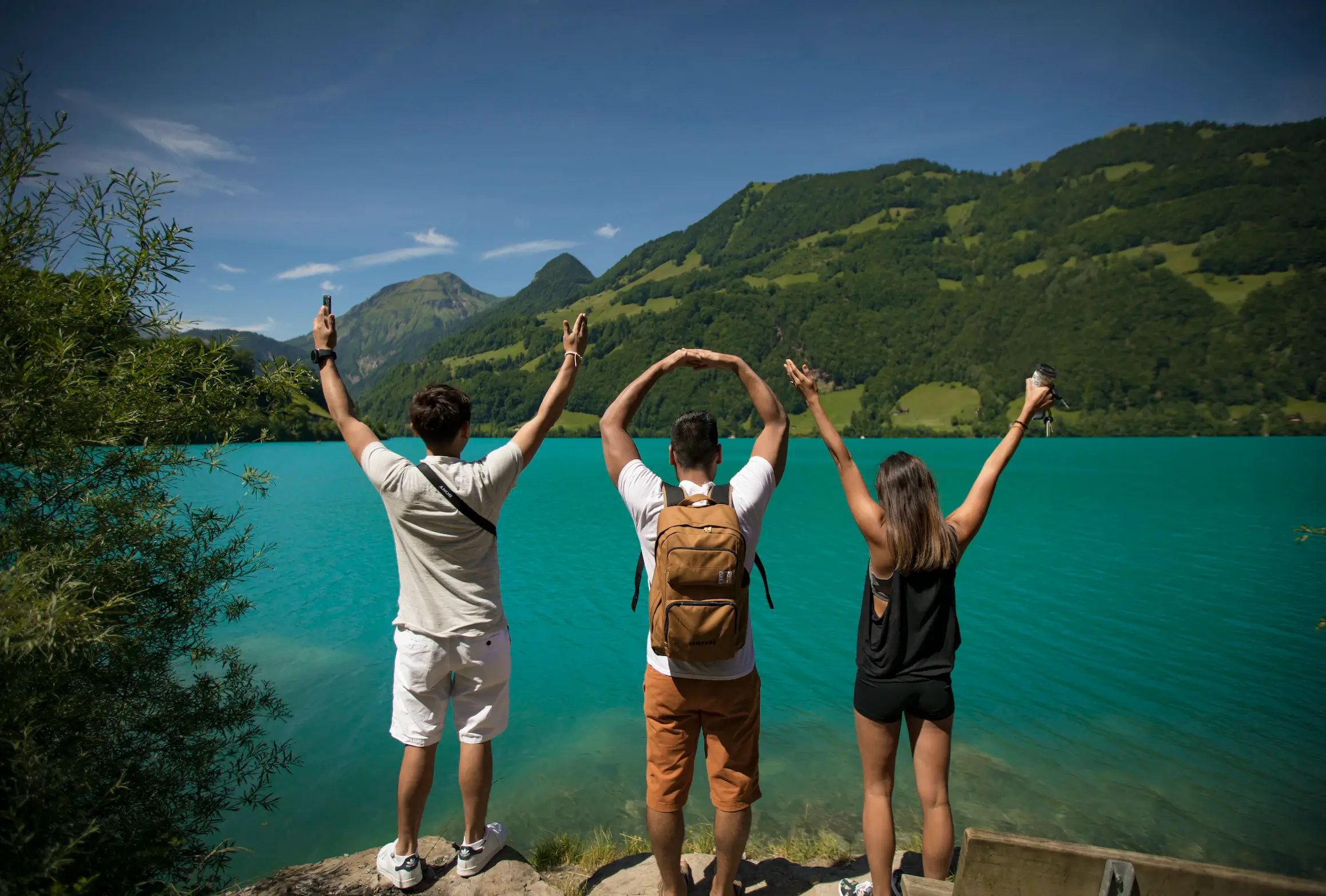
Travel and recreation have always been essential parts of the human experience, but their importance has grown dramatically in recent years. In a world where digital screens dominate daily routines and work-life boundaries blur more than ever before, taking time to explore new places and engage in recreational activities has become a vital investment in personal wellbeing. Whether it’s wandering through ancient streets, hiking along rugged mountain trails, or simply relaxing by the sea, travel invites us to reconnect with life in its purest form. Likewise, recreation—any activity that brings play, movement, or pleasure—restores balance and infuses our lives with energy.
Today’s travelers aren’t just chasing destinations; they’re searching for meaning, rejuvenation, and a deeper connection to the world. The modern era of travel and recreation reflects this shift, offering experiences that go far beyond traditional sightseeing.
1. Travel as a Pathway to Personal Growth
Every journey, no matter how far or short, teaches us something. Travel has a unique way of stretching the mind, challenging assumptions, and helping people discover aspects of themselves they might never explore at home.
a. Stepping Out of the Comfort Zone
Travel pushes individuals into unfamiliar environments—new languages, foods, landscapes, and customs. This discomfort fosters resilience and adaptability. Travelers often return with greater confidence, having navigated challenges they once found intimidating.
b. Expanding Worldviews
Seeing the world firsthand is one of the most effective ways to understand it. Conversations with locals, observations of daily life, and exposure to different traditions broaden perspectives and cultivate empathy. This emotional growth is one of the most powerful outcomes of traveling.
c. Encouraging Curiosity and Creativity
When immersed in a fresh environment, the mind becomes more open and imaginative. New experiences stimulate creativity—something that both individuals and professionals can carry back into their everyday lives.
2. The Growing Influence of Recreational Tourism
Recreation, in the context of travel, has expanded far beyond simple leisure. Today, it includes adventure sports, cultural immersion, nature exploration, and wellness-based activities—all designed to help people recharge and rediscover joy.
a. Adventure Tourism on the Rise
From paragliding above coastal cliffs to exploring jungles or diving into underwater worlds, adventure tourism is rapidly expanding. People crave moments that make them feel fully alive—experiences that offer adrenaline, achievement, and unforgettable stories.
b. Nature-Based Escapes
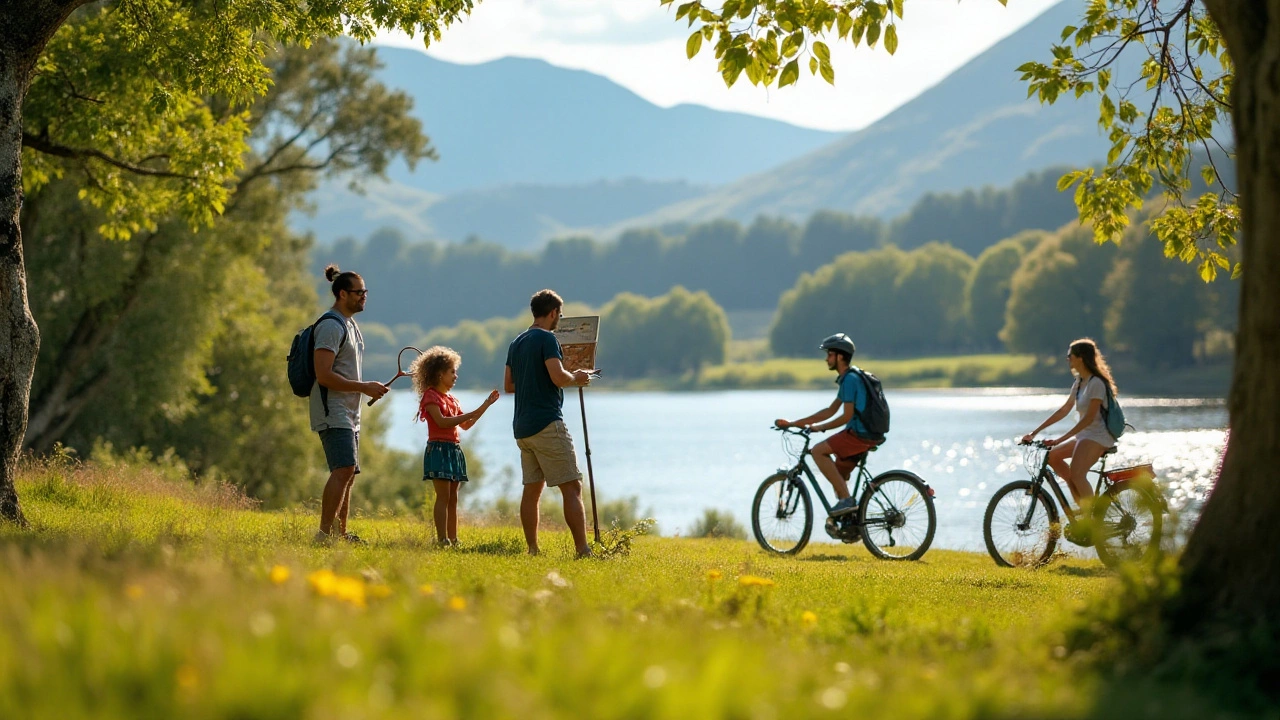
As urban living grows more stressful, travelers are increasingly seeking out national parks, forests, mountains, and lakes. These natural settings provide emotional calmness, physical exercise, and a deeper appreciation for the planet.
c. Cultural and Recreational Blends
Cooking classes, artisan workshops, traditional dance lessons, and local festivals merge recreation with cultural learning. These activities transform trips into immersive experiences that connect visitors with the heart and soul of their destination.
3. The New Age of Sustainable and Ethical Travel
Sustainable travel is no longer just a trend—it is quickly becoming a shared responsibility among travelers and industry leaders. People want to explore the world without harming it.
a. Eco-Friendly Travel Practices
Travelers are embracing greener choices: taking trains instead of planes when possible, staying in eco-lodges, reducing waste, and supporting conservation programs. These practices help protect fragile environments and preserve natural beauty for future generations.
b. Respecting Local Communities
Travelers increasingly understand the importance of choosing local experiences. Dining at small restaurants, booking locally guided tours, and purchasing from local markets strengthen economies and create fairer tourism.
c. Protecting Cultural Heritage
Responsible travel means respecting traditions, historic sites, and cultural boundaries. Choosing ethical travel companies ensures that tourism benefits the communities that host it rather than exploiting their resources.
4. Technology’s Role in Modern Travel and Recreation
Technology has reshaped travel completely—from how people plan trips to how they share their experiences with the world.
a. Smarter, Simpler Planning
Online platforms and mobile apps provide instant access to accommodation options, airfare comparisons, attraction tickets, and itinerary builders. Travelers can plan entire vacations from their phones with ease.
b. Real-Time Navigation and Translation
GPS tools, offline maps, and translation apps help travelers navigate unfamiliar terrain and communicate across languages. These tools reduce stress and make exploration more enjoyable.
c. Social Media as a Travel Catalyst
Social media doesn’t just inspire travel—it shapes it. A single photo of a turquoise beach or hidden alleyway can spark thousands of travelers to visit. Destinations once overlooked now thrive thanks to digital storytelling.
5. The Rebirth of Slow Travel
While fast-paced vacations still exist, many travelers today are adopting the philosophy of slow travel. This approach emphasizes quality over quantity, encouraging travelers to spend more time in fewer places.
a. Immersive Exploration
Instead of racing from landmark to landmark, slow travelers take time to walk through neighborhoods, meet locals, and understand the rhythm of everyday life in the destination.
b. Reduced Environmental Impact
Fewer flights, longer stays, and local engagement all contribute to a lighter ecological footprint. Slow travel aligns with sustainable tourism values.
c. Emotional and Mental Benefits
Longer stays allow deeper relaxation and more meaningful experiences. It creates space for reflection, creativity, and recharging—exactly what many people need in today’s fast-moving world.
6. The Rise of Wellness Travel
Wellness is now a central priority in travel. People are seeking vacations that improve their physical, mental, and emotional health.
a. Spa and Healing Retreats
Luxury spas, thermal baths, and natural healing centers attract travelers looking to reset their bodies and minds.
b. Yoga, Meditation, and Spiritual Retreats
Destinations known for tranquility—mountain valleys, beachside resorts, forest lodges—have become hubs for spiritual renewal.
c. Digital Detox Vacations
Many resorts now promote screen-free zones, guiding guests into a calmer, more present state of being. For many, these intentional disconnects are deeply transformative.
7. Travel and Recreation Strengthen Human Connection
One of the most overlooked benefits of travel is the relationships it builds or deepens. Whether traveling with friends, family, or strangers who become friends along the way, the shared experiences create bonds that last a lifetime.
Travel encourages meaningful conversations, teamwork, and laughter. These moments bring people closer and strengthen interpersonal relationships—something no digital communication can truly replicate.
8. The Future of Travel and Recreation
Looking ahead, the future of travel will be defined by personalization, sustainability, and meaningful experiences. Technology will continue to enhance convenience, but the heart of travel will remain human connection and exploration.
Destinations will offer more immersive, educational, and recreational opportunities. Travelers will continue seeking authenticity over luxury, transformation over routine, and experiences that stay with them long after the trip is over.
Leave a Reply